Video · Batch workflow
Batch unique video for ads without re-editing every version
Video wins attention, but production time is expensive. After a cut is approved, performance teams often need several unique video files for different ad sets, geos, or weekly iterations. Opening the NLE for each micro-change does not scale. This article describes a batch approach to the file layer while keeping the edit itself intact.

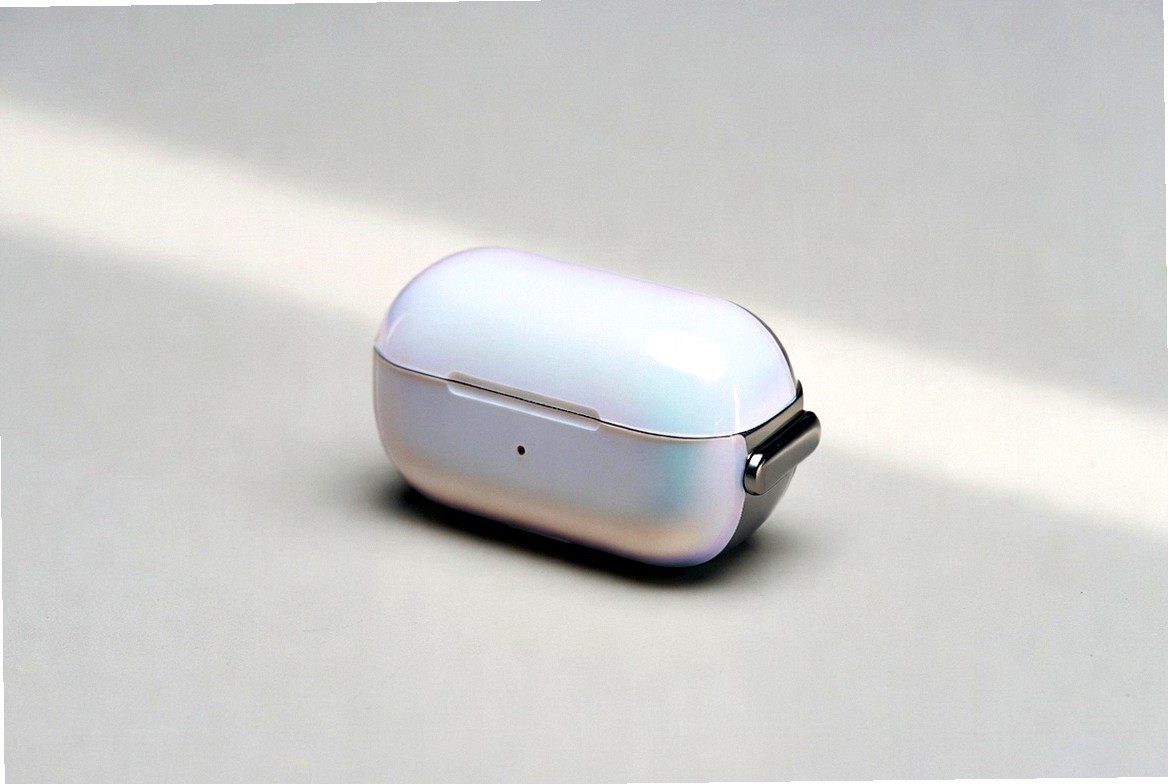
Illustrative only. Strength depends on level, preset and noise in the app.
Why “one more render” eats the calendar
A single extra export is harmless. Ten exports mean ten trips through project load, timeline, render settings, disk paths, upload, and naming. Most of those exports do not need new motion graphics. They need a distinct binary with controlled differences so testing logistics stay flexible. That is an operations problem, not a creative-direction problem.
Levers that stay kind to the viewer
Useful technical deltas are small enough that a typical viewer still sees “the same ad,” while the file fingerprint changes:
- Micro-crop — gentle center crop so framing shifts slightly without cutting off the product.
- Tiny rotation — fractions of a degree, never a skewed meme look.
- Color and exposure — modest brightness, contrast, saturation, hue.
- Grain — light noise; avoid heavy static that looks broken on mobile.
- Speed — a narrow band around real time, with audio tempo matched when possible.
Resolution is a tradeoff. Faster lower-resolution processing helps volume; higher settings help clarity for placements that punish soft detail. Choose based on where the ad will run, not on habit alone.
Audio when speed changes
If video speed changes and audio does not, dialogue and music drift. That alone can kill perceived quality. Prefer a pipeline that applies a matching tempo to the soundtrack, or use silent-safe creatives only when silence is intentional. Always spot-check with headphones before scaling a batch live.
Batch size and governance
Start with three to five variants per master. Label each file’s role in your tracker. Expand batch size only when review meetings can still name winners and losers without arguing about which export was which. Keep masters under platform and tool size limits.
Store masters and variants separately. Masters are editorial truth; variants are packaging. When the concept changes, retire the old pack instead of stacking endless near-duplicates.
What batch uniqueization does not replace
It does not write a better hook, fix a weak offer, or satisfy advertising policies by magic. Shoot and edit for clarity and compliance first. Then package files for tests. Platform review decisions depend on content and claims; treat any tool as infrastructure, not as a guarantee.
Using Uniqueizer Pro on video
In  UniqueizerPro you upload an MP4 master, choose level and preset, adjust noise, pick speed vs quality mode, optionally enable mirror, and export variants for your ad managers. The goal is simple: fewer hours lost on repetitive renders, more hours spent on hypotheses that matter.
FAQ
Do technical variants replace new concepts? No. They package an approved concept into multiple files. New hooks and offers still need real creative work.
How strong should differences be? Strong enough to create a distinct file, mild enough that the ad still looks on-brand. Use lower strength when the design is delicate; higher when you only need operational separation.
Will this guarantee better delivery or approval? No tool can promise that. Platforms score and review content by their own rules. Focus on compliant, clear creatives first.
What file types work best? High-quality masters help. For video, MP4 is the practical standard in most ad managers. Keep size within your tool and platform limits.
Try batch uniqueization
Uniqueizer Pro creates photo and video variants for ad testing — crop, color, noise, speed. Free plan available.
Open Uniqueizer Pro